
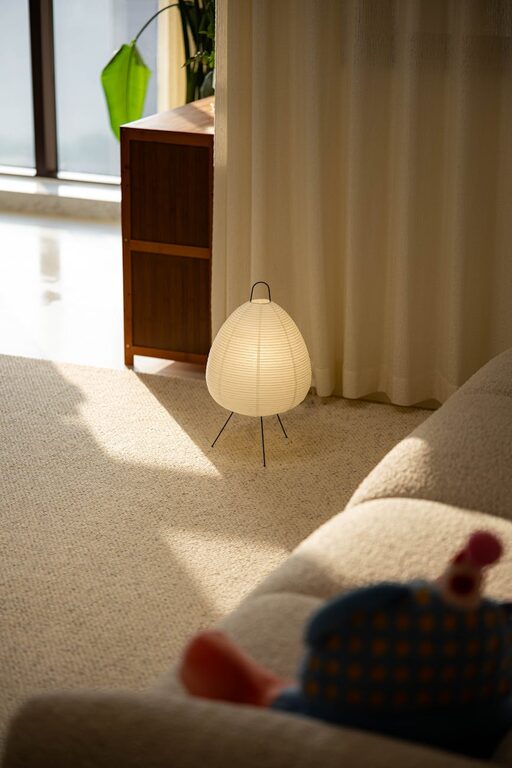
Creating a peaceful environment at home is essential for relaxation, productivity, and overall well-being. However, noise can be a persistent challenge, especially in busy neighborhoods or apartments. Fortunately, there are several simple ways to reduce noise and enjoy a quieter space. In this post, we’ll explore practical tips and ideas that you can implement without breaking the bank.
Understanding Noise Sources at Home
Before diving into solutions, it’s helpful to identify where the noise is coming from. Common sources include:
– Traffic and street noise
– Noisy neighbors
– Household appliances (washers, dryers, HVAC)
– Electronic devices
– Footsteps and voices within the house
Knowing your noise sources will help you apply the right noise-reduction methods.
Simple Ways to Reduce Noise in Your Home
1. Use Soft Furnishings to Absorb Sound
Hard surfaces like tile floors and bare walls reflect sound, making noise more noticeable. Adding soft materials can absorb sound waves and minimize echoes.
– Rugs and Carpets: Lay down thick area rugs or carpets to reduce noise from footsteps and echoes.
– Curtains: Heavy, dense curtains or soundproof drapes can block outside noise and absorb sound inside.
– Cushions and Upholstered Furniture: Soft furniture absorbs sound better than leather or wooden pieces.
2. Seal Gaps and Cracks
Noise can seep through small gaps and cracks around doors and windows.
– Weatherstripping: Apply weatherstripping tape around doors and windows to seal gaps.
– Door Sweeps: Installing door sweeps can block noise from hallways or outdoor spaces.
– Caulking: Use caulk to close small cracks in walls, window frames, and around baseboards.
3. Rearrange Your Furniture
Your furniture can act as a barrier to diminish sound transmission.
– Place bookshelves or large furniture against shared walls or noisy exterior walls.
– Fill bookshelves with books to add mass, which helps block sound.
4. Add Soundproofing Materials
For more significant noise problems, consider installing materials that block or absorb sound.
– Acoustic Panels: These panels, which come in a variety of designs, absorb sound and reduce echo.
– Wall Hangings: Decorative tapestries or fabric artwork can absorb noise.
– Soundproof Window Inserts: These can improve the sound insulation of existing windows.
5. Control Household Noise
Sometimes, reducing noise means addressing the sources inside your home.
– Place furniture under noisy appliances to reduce vibration sounds.
– Use mats or pads under washing machines or speakers to dampen noise.
– Set volume levels thoughtfully for TVs and music.
6. Create Quiet Zones
Designate specific rooms or areas in your home as quiet zones.
– Use door locks or signs to minimize interruptions.
– Furnish these spaces with sound-absorbing materials.
– Use white noise machines to mask external sounds if necessary.
Tips for Maintaining a Quiet Home Environment
– Regular Maintenance: Keep appliances in good working condition to avoid excessive noise.
– Window Upgrades: If noise is a continual issue, double-pane or laminated windows can improve sound insulation.
– Outdoor Barriers: Use fences, hedges, or shrubs to block street noise.
– Mind Neighbors: Establish friendly communication about noise levels if you live close to others.
Conclusion
Reducing noise at home doesn’t always require costly renovations. By understanding your noise sources and applying simple fixes like using soft furnishings, sealing gaps, and rearranging furniture, you can create a more serene living space. Experiment with these tips and adjust them to fit your unique environment. A quieter home can improve your comfort, help you focus, and support better rest.
—
By taking these small steps, you’ll be on your way to a peaceful and comfortable home in no time!