
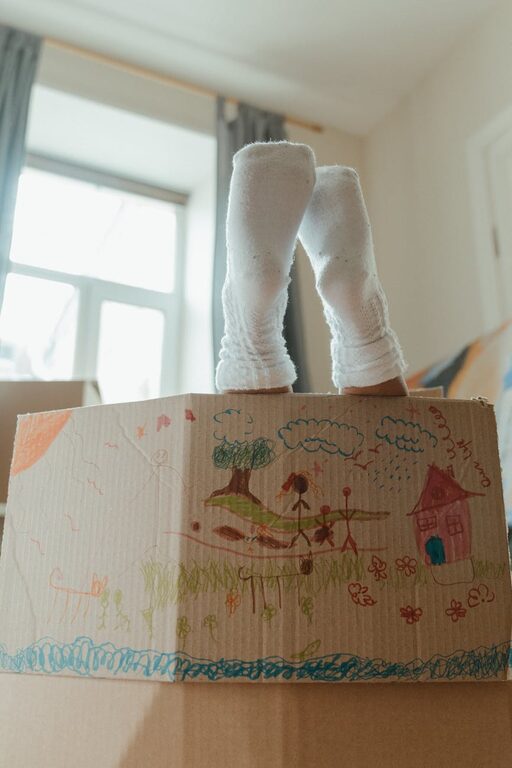
Every parent knows how quickly a child’s artwork can accumulate — from colorful drawings to elaborate crafts. These creations are precious memories and expressions of creativity, but without a system, they can quickly turn into clutter. Keeping kids’ art organized helps maintain a tidy home and ensures those masterpieces are preserved for years to come. Here are some practical tips to help you organize your child’s artwork effectively and enjoyably.
Why Organizing Kids’ Artwork Matters
Before diving into the methods, it’s important to understand why organizing kids’ art is beneficial:
– Preserves memories: Art projects show your child’s growth and creativity over time.
– Encourages pride: When kids see their art displayed or stored neatly, they feel valued.
– Reduces clutter: Avoids piles of paper and random crafts taking over your home.
– Simplifies sharing: Organized art is easier to gift or share with family and friends.
With these benefits in mind, let’s explore the best ways to keep kids’ art organized.
1. Create a Dedicated Display Area
Setting up a specific place for recent artwork makes it easy to appreciate and rotate pieces regularly.
Options for Display Areas
– Gallery wall: Use frames or clipboards on a wall to showcase current favorites.
– String and clips: Hang a string or wire and use clothespins to hang drawings.
– Bulletin board: Pin up new artworks for a flexible and changing display.
– Magnetic board: Attach art with magnets for quick swaps.
Rotating artwork weekly or monthly keeps the display fresh and prevents overcrowding.
2. Use Portfolios or Art Binders
Portfolios and binders are fantastic for storing flat artwork in an organized, compact way.
Tips for Using Portfolios
– Choose a large, durable folder or an expanding file with pockets.
– Label each portfolio with your child’s name and year.
– Encourage your child to help select which art to keep for storage.
– Add plastic sheet protectors to preserve delicate or painted pieces.
This method is great for keeping art neat and easy to revisit.
3. Digitize the Artwork
Taking photos of art projects is a space-saving way to preserve every creation, even bulky crafts.
How to Digitize Effectively
– Use natural light for clear photos.
– Photograph 3D artwork from multiple angles.
– Organize photos by date or theme in folders on your computer.
– Consider creating digital photo books or slideshows to share with family.
Digitizing offers a backup and allows you to keep memories without physical clutter.
4. Store 3D Crafts Thoughtfully
Three-dimensional projects can be tricky to store but are worth saving when meaningful.
Storage Ideas for 3D Art
– Use clear plastic bins with labels to keep crafts dust-free.
– Allocate a specific shelf or cabinet space for special pieces.
– For fragile items, wrap in tissue paper and place inside sturdy boxes.
– If a craft has parts that can be separated, consider photographing and then recycling.
Decide together which crafts are most important to save and which can be let go.
5. Establish a Regular Editing Routine
Regularly sorting through art helps manage volume and keeps your collection meaningful.
How Often and What to Do
– Schedule a quarterly or seasonal “art review” day with your child.
– Decide together what to keep, display, digitize, or recycle.
– Use this time to update albums, portfolios, or storage bins.
– Reward your child for participation to make it fun and positive.
This habit prevents overwhelm and teaches kids organizational skills.
6. Repurpose Art into Gifts or Projects
Transforming artwork into gifts or keepsakes extends its value and enjoyment.
Creative Repurposing Ideas
– Turn drawings into greeting cards or wrapping paper.
– Use art to cover homemade journals or notebooks.
– Make custom calendars featuring a different piece each month.
– Frame smaller works as gifts for grandparents and friends.
Repurposing reduces storage needs and shares your child’s creativity.
7. Label and Date Everything
Adding labels and dates makes it easier to track and cherish artwork over time.
Labeling Tips
– Use a small sticky note or write lightly on the back.
– Include the child’s age and the date or school year.
– Note any details, like the occasion or the project’s inspiration.
This information adds context and meaning for future viewing.
Final Thoughts
Organizing kids’ artwork doesn’t have to be a chore. With simple systems like displaying favorites, storing carefully, digitizing, and regularly reviewing, you can keep creativity alive without the mess. Involve your children in these steps so they learn to value their work and develop organizational skills.
Enjoy the process of celebrating your child’s artistic journey while maintaining a neat and inspiring home environment!
—
Feel free to share your own tips or questions about organizing kids’ art in the comments below!