
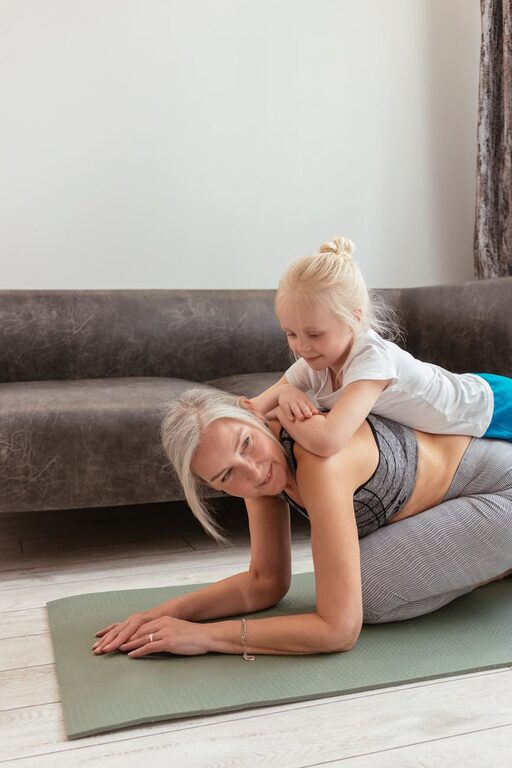
Stretching is a simple yet powerful way to enhance your physical health and overall well-being. Whether you’re new to exercise or just looking to add some gentle movement to your day, stretching can improve flexibility, reduce muscle tension, and help you feel more relaxed. The best part? You can do it all in the comfort of your own home without any special equipment.
In this beginner’s guide, we’ll explore the basics of stretching at home, including why it’s important, some easy stretches to get you started, and tips for making stretching a regular part of your routine.
Why Stretch at Home?
Stretching offers many benefits for your body and mind:
– Improves flexibility and range of motion: Helps your joints move more freely.
– Reduces muscle tension: Eases tightness caused by sitting or repetitive movements.
– Enhances circulation: Promotes blood flow to your muscles.
– Supports injury prevention: Prepares your muscles and joints for activity.
– Boosts relaxation: Can relieve stress and improve mental clarity.
Doing stretches at home means you can set your own pace, choose stretches that feel best for you, and fit them into your schedule with ease.
When and How Often Should You Stretch?
For beginners, aim to stretch at least 3–4 times a week. You can stretch:
– In the morning to wake up your body.
– Before or after exercise to warm up or cool down muscles.
– During breaks if you work at a desk all day.
– In the evening to relax before bedtime.
Each session can last anywhere from 5 to 20 minutes depending on your time and goals.
Key Guidelines for Safe Stretching
To get the most out of your stretching and avoid injury, keep these tips in mind:
– Warm up first: Stretching cold muscles can lead to injury. A light walk or march in place for 3–5 minutes will help.
– Move slowly: Ease into each stretch slowly and hold steady rather than bouncing.
– Listen to your body: Stretch to a gentle tension but not pain. Stop if you feel discomfort.
– Breathe deeply: Maintain steady, relaxed breathing throughout.
– Hold each stretch for 15–30 seconds: This allows your muscles to lengthen.
– Stretch both sides: Even out your flexibility by working on both left and right sides.
Basic Stretches for Beginners
Here are some simple stretches you can try at home. Remember to warm up briefly before starting.
1. Neck Stretch
– Sit or stand tall.
– Slowly tilt your head toward your right shoulder until a gentle stretch is felt on the left side of your neck.
– Hold for 20 seconds, then switch sides.
2. Shoulder Rolls
– Stand or sit with your arms relaxed.
– Roll your shoulders backward in a circular motion 10 times.
– Repeat rolling forward 10 times.
3. Cat-Cow Stretch (Spine Mobility)
– Start on your hands and knees with wrists under shoulders and knees under hips.
– Inhale, arch your back dropping your belly towards the floor and lift your head (Cow).
– Exhale, round your spine upward, tucking your chin to your chest (Cat).
– Repeat for 6–8 breaths.
4. Seated Forward Fold
– Sit with legs extended straight in front of you.
– Inhale to lengthen the spine.
– Exhale, gently bend forward from the hips reaching toward your toes.
– Hold this stretch for 20–30 seconds while breathing deeply.
5. Standing Quad Stretch
– Stand tall near a wall or chair for balance.
– Bend your right knee, bringing your heel toward your buttocks.
– Hold your ankle with your right hand and gently pull to stretch the front of your thigh.
– Hold for 20 seconds and switch sides.
6. Hamstring Stretch
– Lie on your back and raise one leg toward the ceiling, keeping it straight.
– Hold the back of your thigh or calf, gently pulling the leg closer.
– Keep the other leg bent or straight on the floor.
– Hold for 20–30 seconds, then switch legs.
7. Chest Opener Stretch
– Stand tall and clasp your hands behind your back.
– Straighten your arms and lift your chest, squeezing your shoulder blades together.
– Hold for 20 seconds.
Creating a Stretching Routine
Consistency matters more than intensity when starting out. Here’s how to make stretching a habit:
– Set a regular time: Mornings, lunch, or evenings—choose what fits your day best.
– Create a comfortable space: Use a yoga mat or soft carpet for comfort.
– Combine stretches you enjoy: Pick a variety of stretches targeting different areas.
– Track your progress: Note improvements in flexibility or how your body feels.
– Stay patient: Flexibility improves gradually with practice.
Additional Tips for Success
– Wear comfortable, loose clothing.
– Stay hydrated.
– Avoid stretching immediately after eating.
– Consider listening to calming music.
– If you have existing health conditions or injuries, consult a professional before starting new stretches.
Final Thoughts
Stretching at home is a gentle and accessible way to care for your body, improve mobility, and relax your mind. By introducing simple stretches into your daily routine and listening to your body’s needs, you’ll build flexibility and enjoy a more comfortable, active life.
Start slow, stay consistent, and enjoy the benefits that stretching brings to your day — right in your own home!