
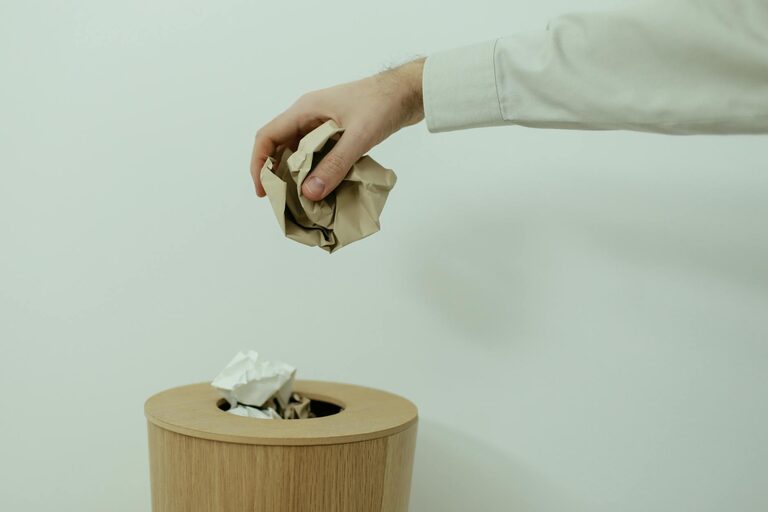
Reducing paper clutter at home can seem overwhelming, but with a few simple habits and practical solutions, you can regain control over your space. Paper piles often build up from bills, receipts, mail, school papers, and miscellaneous notes. Over time, these stacks can feel chaotic and stressful. The good news is that by tackling paper clutter step by step, maintaining order becomes easier and less time-consuming. In this post, we’ll explore straightforward methods to minimize paper clutter, helping you enjoy a tidier, more organized home.
Why Reducing Paper Clutter Matters
Paper clutter doesn’t just take up space; it can also affect your focus and mood. A cluttered environment often leads to distractions or makes it harder to find important documents when needed. Additionally, managing paper waste responsibly supports a cleaner environment. Simplifying your paper flow at home offers benefits including:
– More physical space
– Easier access to important documents
– Reduced stress and improved mental clarity
– Lower risk of losing bills or deadlines
– A cleaner, more welcoming home atmosphere
Step 1: Sort and Categorize Your Papers
Begin by gathering all your loose papers in one place. This might include mail, schoolwork, receipts, manuals, and notes. Once collected, sort them into categories such as:
– Bills and financial documents
– Personal correspondence
– Medical records
– Work or school papers
– Manuals and warranties
– Receipts
– Miscellaneous notes or reminders
Sorting helps you understand what you have and decide what to keep, digitize, or discard.
Step 2: Create a Paper Management System
An organized system is key to preventing future clutter. Choose a method that suits your space and lifestyle. Popular options include:
Filing Folders
Use labeled folders or accordion files to store important documents by category or date. Keep these in a dedicated drawer or filing cabinet.
Binders
Binders with dividers work well for school papers, warranties, or manuals. They keep papers neat and accessible.
Trays and Inboxes
Designate an “inbox” tray for incoming mail and papers that need attention. Sort and process this regularly to avoid buildup.
Digital Storage
Consider scanning important papers and storing them digitally on your computer, cloud services, or dedicated apps. This reduces physical clutter and allows easy searching.
Step 3: Establish Daily and Weekly Habits
Maintaining your system requires consistent habits:
– Daily: Sort mail and papers as soon as they arrive. Recycle junk mail immediately.
– Weekly: Review your inbox tray, file important paperwork, and dispose of outdated papers.
– Monthly: Purge unnecessary files and update your digital backups.
Regular attention prevents paper piles from growing out of control.
Step 4: Reduce Incoming Paper
One of the most effective ways to cut clutter is to stop it before it starts. Here are some tips:
– Go Paperless: Sign up for online billing and statements from utilities, banks, and service providers.
– Unsubscribe: Remove your address from junk mail lists or opt out of catalogs.
– Limit School Papers: Encourage children to keep only important assignments and display others digitally or on a rotating bulletin board.
– Use Email Notes: Replace paper notes or shopping lists with smartphone apps or digital reminders.
Step 5: Organize and Display Important Papers
Some documents need to be kept accessible, like calendars, schedules, or reminders. Use these methods:
– Wall File Organizers: These keep papers visible and neat.
– Bulletin Boards or Magnetic Boards: Perfect for displaying calendars, appointment reminders, and to-do lists.
– Desk Organizers: Use them for frequently used papers and notes.
Step 6: Recycle or Shred Unneeded Papers
As you sort through papers, dispose of any that are no longer necessary:
– Recycle: Paper that doesn’t contain sensitive information can go directly into recycling.
– Shred: Documents with personal information, such as bank statements or medical records, should be shredded for security.
Consider keeping a shredder at home to make this process easier and more consistent.
Bonus Tips for Paper Clutter Control
– Label everything: Clear labels help you quickly identify what each folder or box contains.
– Use a scanner app: Most smartphones have apps that let you scan and save documents quickly.
– Limit paper crafts or hobbies: If you enjoy paper-based hobbies, organize your materials separately to avoid overlap with important papers.
– Set reminders: Schedule decluttering sessions in your calendar to stay on track.
—
By implementing these simple steps, reducing household paper clutter becomes manageable. Over time, adopting a proactive approach to paper organization leads to a serene and efficient home environment. Start with small changes today and enjoy the benefits of a clutter-free space tomorrow!